Top 10 Workplace Safety and Health Queries Answered
Are you a business owner? You probably would have plenty of questions regarding the safety of your workplace and employees. And you would have been wondering where to find the answers to all your questions.
Here, in this guide, we answer some of the top questions that we receive regarding workplace safety and worker health.
1. What are the hazards that I should protect my workplace?

The actual list of hazards varies from one workplace to another. Here’s a list of hazards that are found in almost all workplaces.
- Safety hazards – These are the most common workplace hazards and could lead to injury, illness, or even death of employees. Some of the common safety hazards include wiring issues, unguarded machinery, slips, and trips, fall from heights, forklifts, confined spaces, and
- Biological hazards – These are hazards that are common at hospitals, diagnostic labs, nursing homes, daycare centers, etc. These occur when people are exposed to bodily fluids, viruses, bacteria, molds, etc.
- Physical hazards – These hazards include environmental factors that cause harm to employees. Constant loud noises, working in extreme temperatures, radiation is some common examples of physical hazards.
- Ergonomic hazards – These are hazards that cause strain (and even permanent damage) to employees. Improper chairs, workstations, frequent lifting are some examples of ergonomic hazards.
- Chemical hazards – These occur when employees are exposed to harmful chemicals at work. Skin irritation, respiratory problems are some of the common effects of chemical hazards.
If you need help identifying the hazards in your workplace, get in touch with Team Safix for a comprehensive workplace risk assessment safety audit.
2. How to maintain workplace safety?
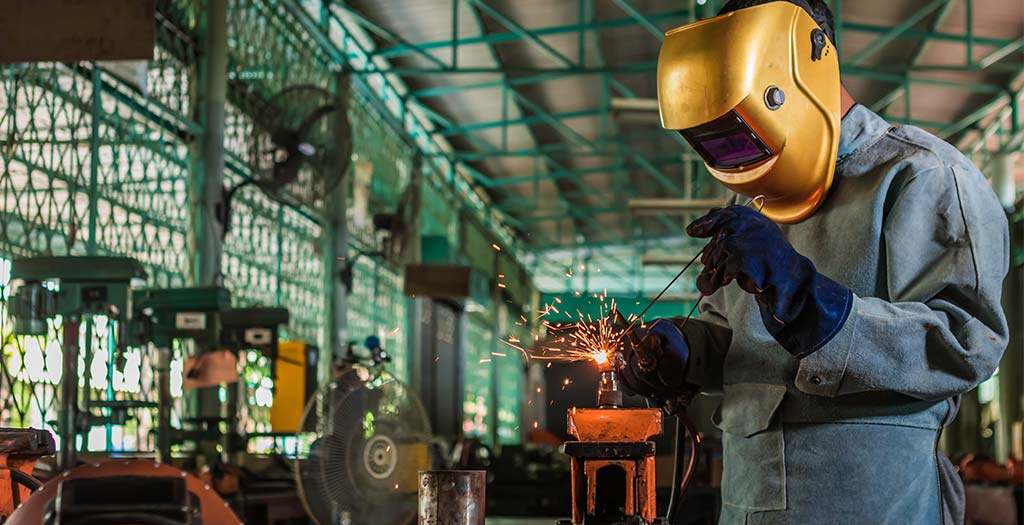
As an employer, you are legally bound to provide your employees with a safe working environment. The first step in ensuring workplace safety is to assess the workplace. You can carry out the workplace safety assessment on your own or get in touch with third-party safety audit providers like Safix to do it for you.
Once you identify the hazards and safety pitfalls in your workplace, the next step is to take the right measures to eliminate these hazards and keep workers safe and healthy.
3. Can you suggest, easy-to-implement ways to boost the safety of my workplace?

One of the best and easiest ways to boost workplace safety is by using visual cues. Having visual safety reminders around the workplace can remind employees of the rules and regulations. Here are a few ways to do it:
- Start by hanging posters around the workplace instructing employees to don their PPE (Personal Protective Equipment) at all times.
- Use labels to mark dangerous equipment and hazardous substances in the workplace.
- Hang posters reminding employees of the various safety procedures to be followed.
- Use fluorescent pathways to mark safety exits.
- Above all, provide periodic safety training to all employees.
4. What is PPE and why it matters in ensuring the safety of the workplace?
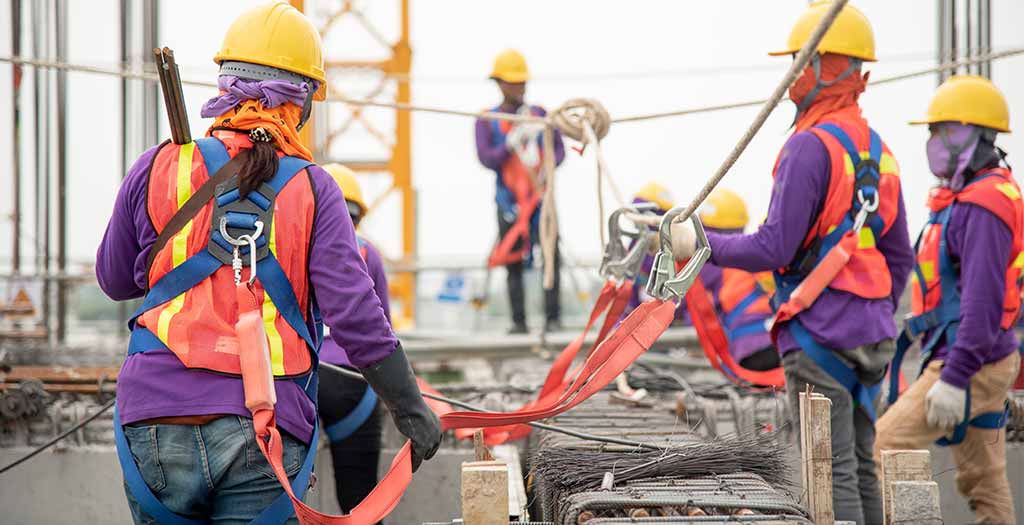
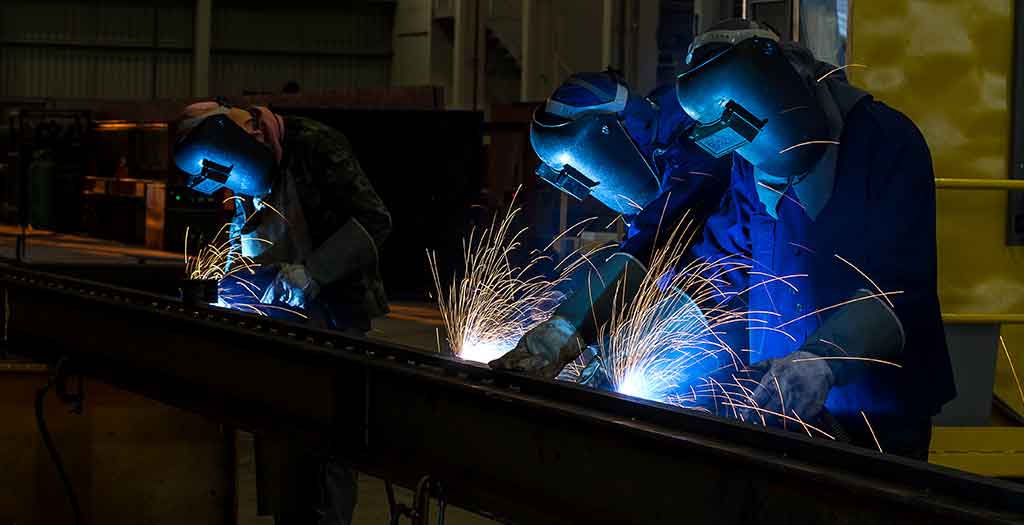
PPE (Personal Protective Equipment) encompasses equipment and clothing worn by employees to protect them from specific safety hazards. Some of the common PPE include hard hats, steel-toed boots, safety gloves, safety vests, overalls, and more.
It’s the responsibility of an employer to provide employees with the right PPE. PPE helps to protect workers from several hazards like radiological, electrical, chemical, physical, mechanical, and biological. The PPE you provide workers should be clean, reliable, and made of high-quality material. Additionally, you should provide training to employees who will be wearing/using PPE. Workers should be made aware of – when to use the PPE, how to use it, how to store it after use, how to care for it, and the limitations of the PPE.
While PPE is essential in boosting workplace safety, it isn’t the only line of protection. You should try to improve the overall safety culture at work, and use PPE as just one of the various tools for promoting workplace safety.
5. What is the Workplace Risk Assessment?

Risk assessment is the process of identifying work health and safety hazards. The risk assessment identifies all elements in the workplace that could lead to an accident. For example, things that cause people to trip, collide, fall, hazardous substances, dangerous equipment, and machinery are some of the common factors that are identified in the risk assessment.
The risk assessment also uncovers workplace elements that lead to physical or mental stress for employees. All businesses are required by law to conduct a workplace risk assessment and identify risks in the workplace. Once you identify the risks, you need to take the right steps to eliminate these workplace hazards.
Workplace risk assessment is not a one-time process. It should be done periodically (once a year) or whenever the situations at your workplace change (if you have purchased new equipment).
6. Do I have to provide my employees with workplace health and safety training?

Yes. As an employer, you have to provide employees with the right information, instruction, and training, so that they can do their jobs without facing any risks. Health and safety training is a must for all new employees as well as old employees.
Get in touch with Team Safix to design an effective and customized safety training program for your workplace.
7. Should I get a fire certificate for my business?
It depends on the nature of your business. If you carry out a professional workplace safety risk assessment, a fire risk assessment will also be included in it.
8. Do I have to appoint a safety representative or safety committee?

It’s highly recommended that you set up safety representatives or safety committees to oversee the health and safety of your workplace.
9. Do all businesses need a health and safety workplace policy?
Yes. If you have five or more employees, it’s highly recommended that you have a health and safety policy in writing.
10. Will I need expert help for boosting the safety of my business?

It depends on the nature and industry of your business. If you run a small business with 9 to 5 working hours and regular desk jobs, then you may be able to handle the safety of the workplace on your own. On the other hand, if you are in production/manufacturing, then seeking the help of a safety consultant will help you deal with specific workplace hazards.
Got any more queries? Reach out to Team Safix and get all your queries sorted out.